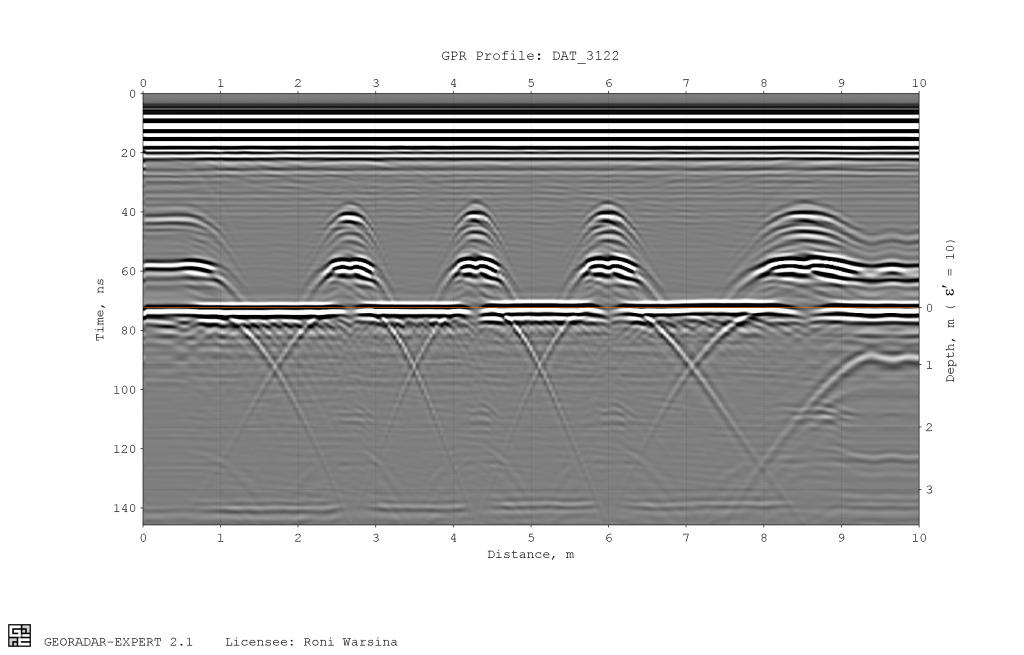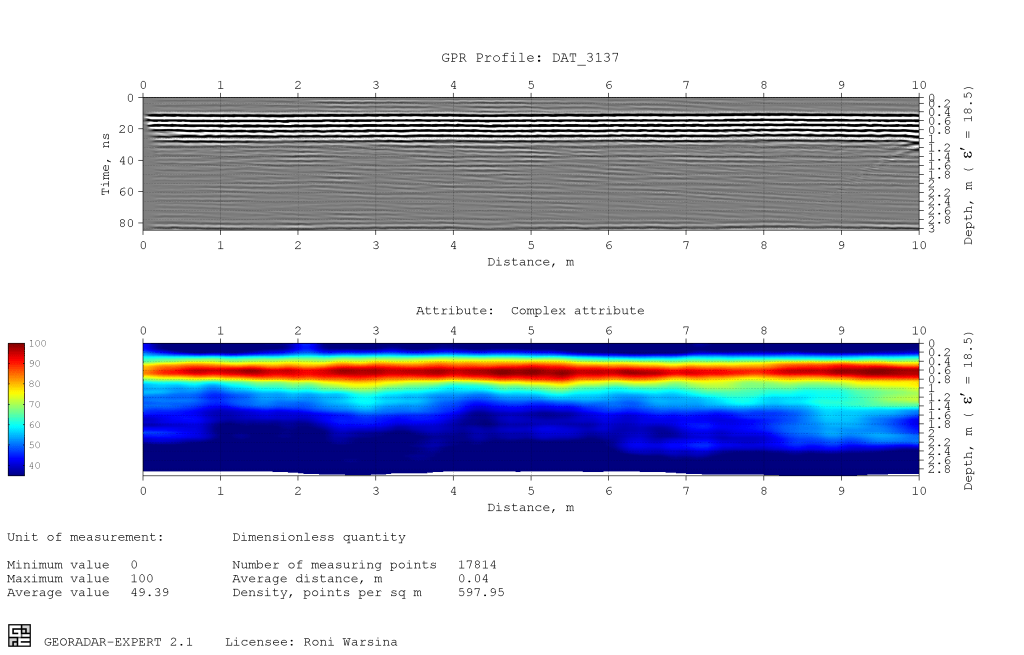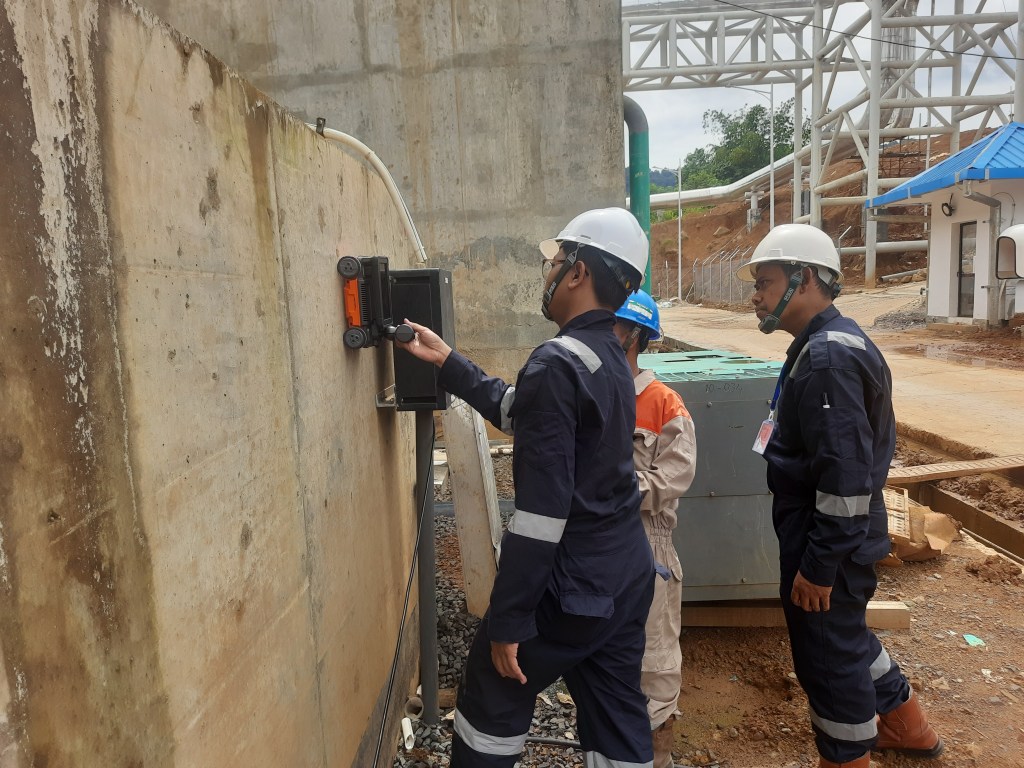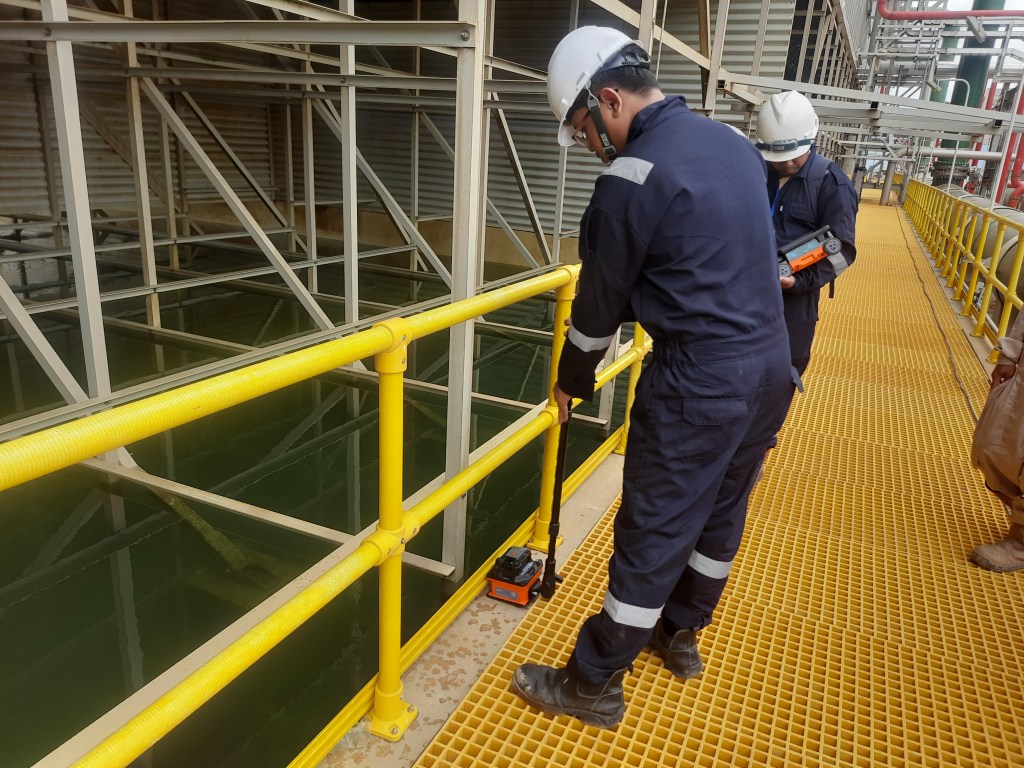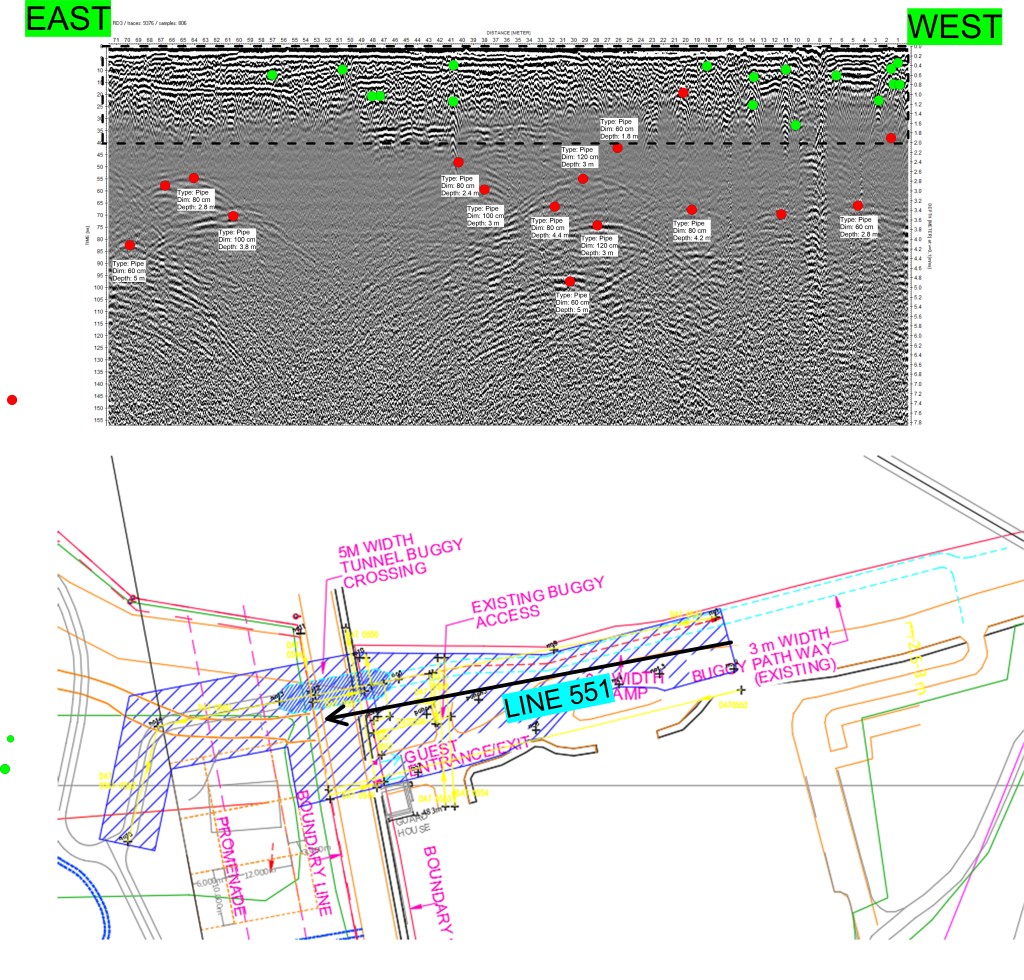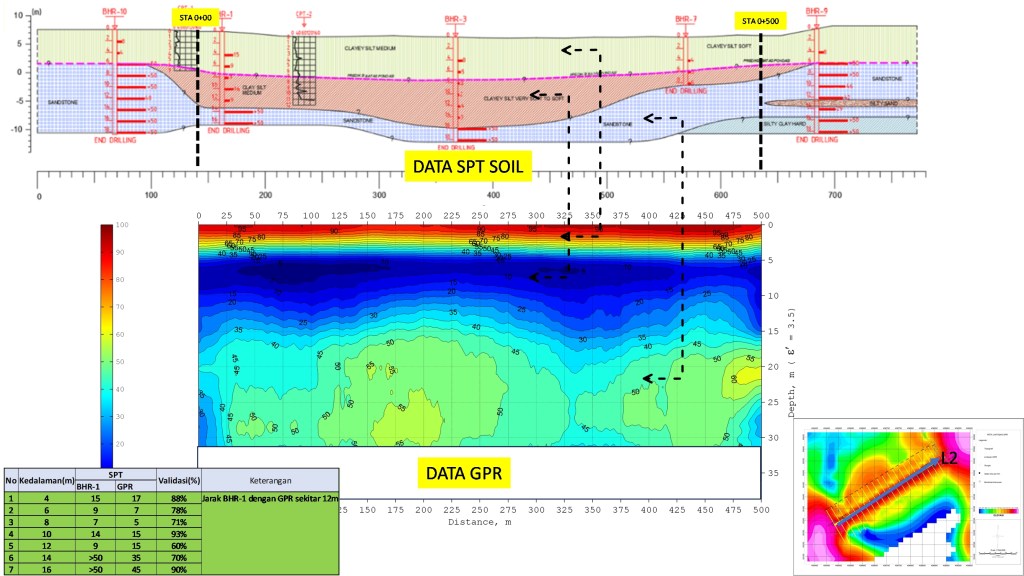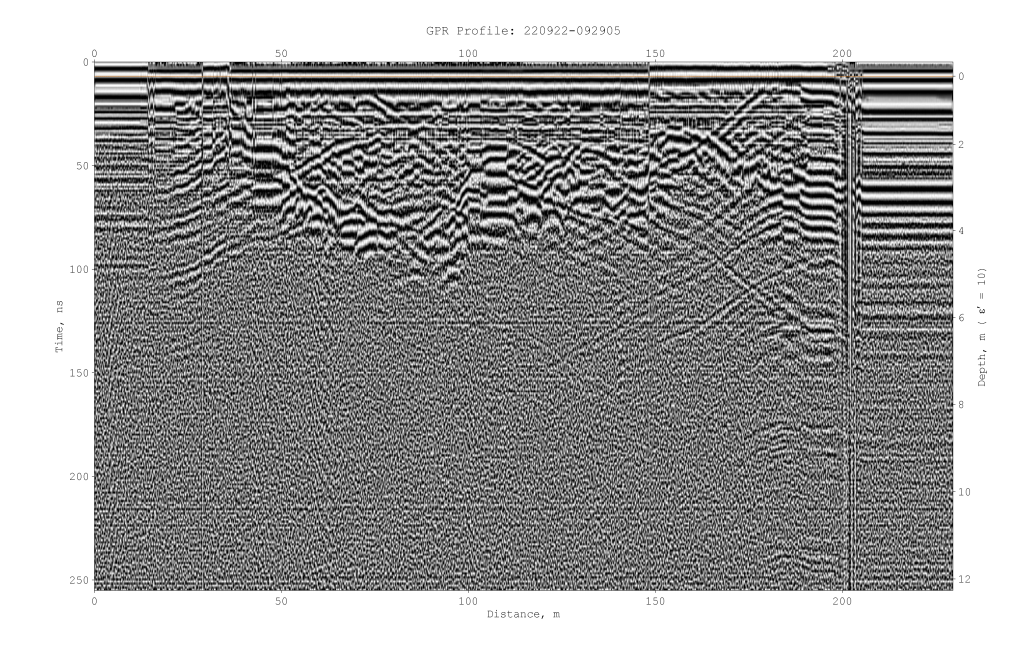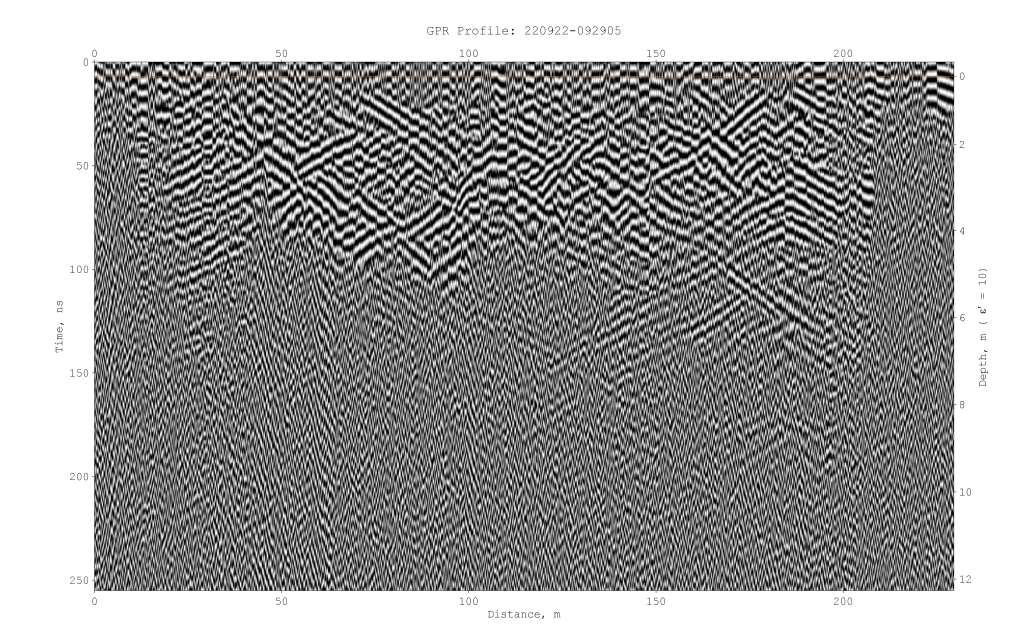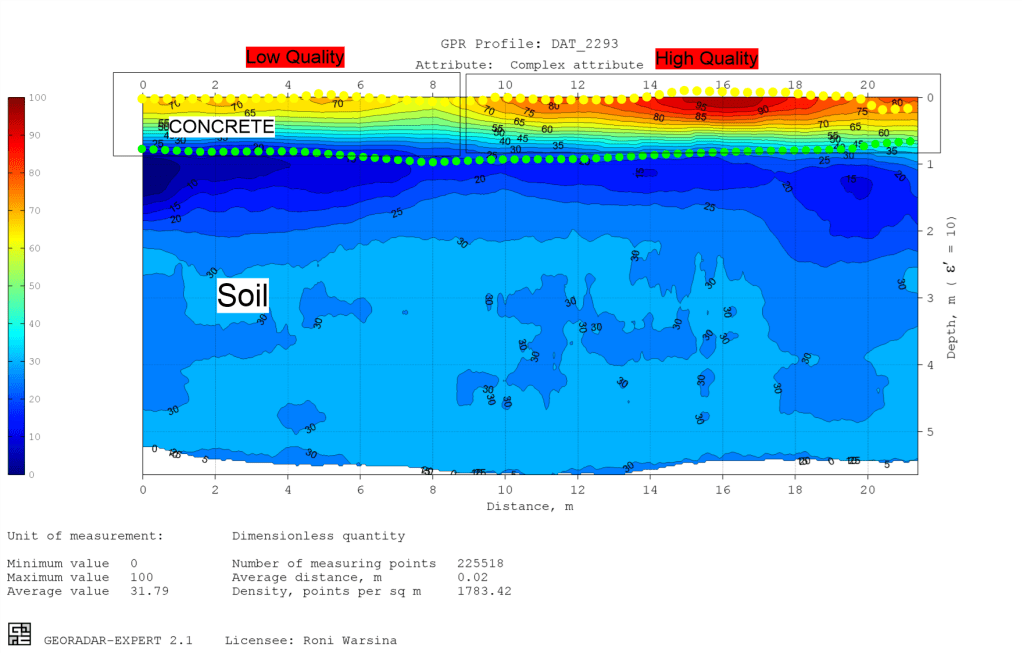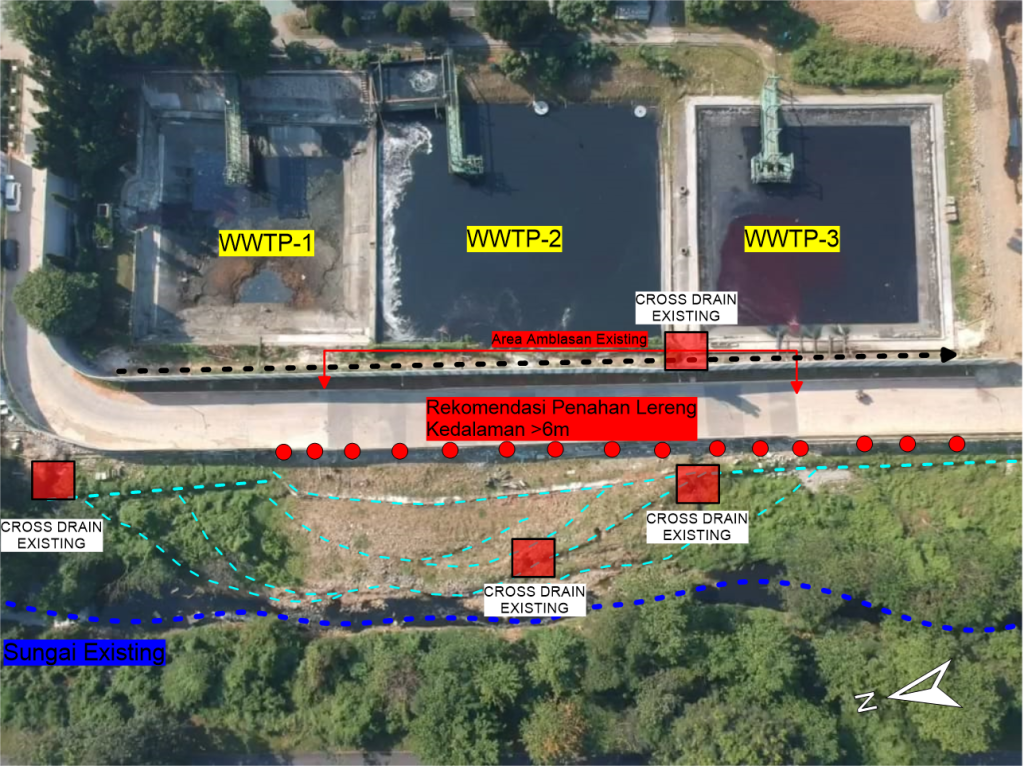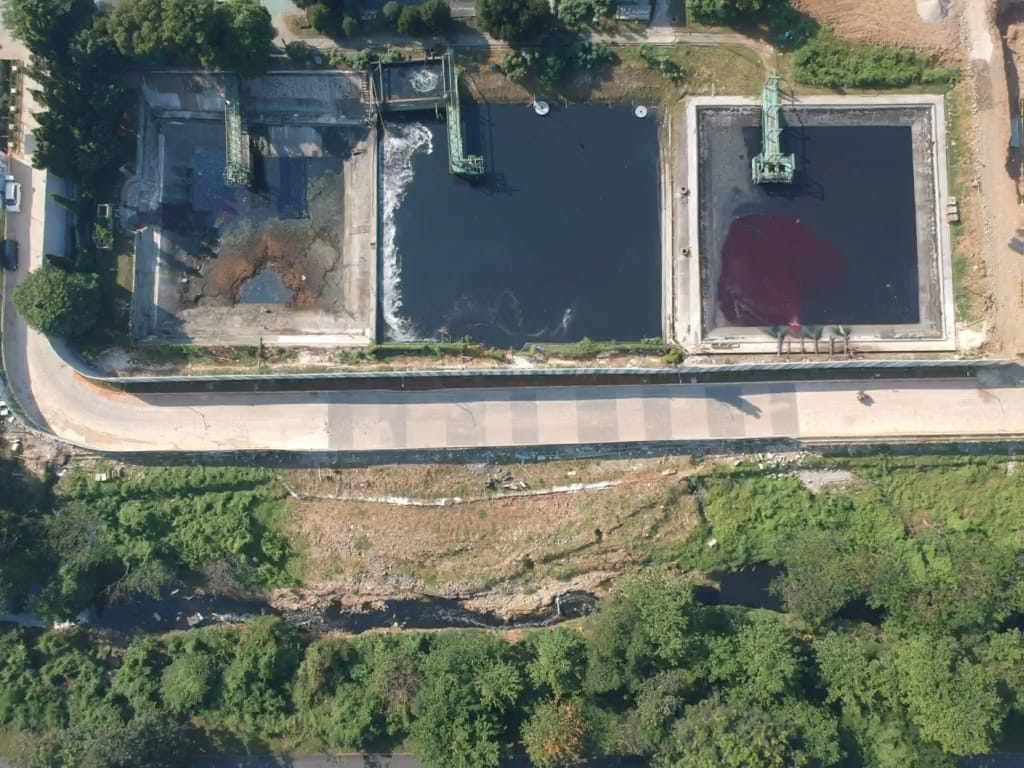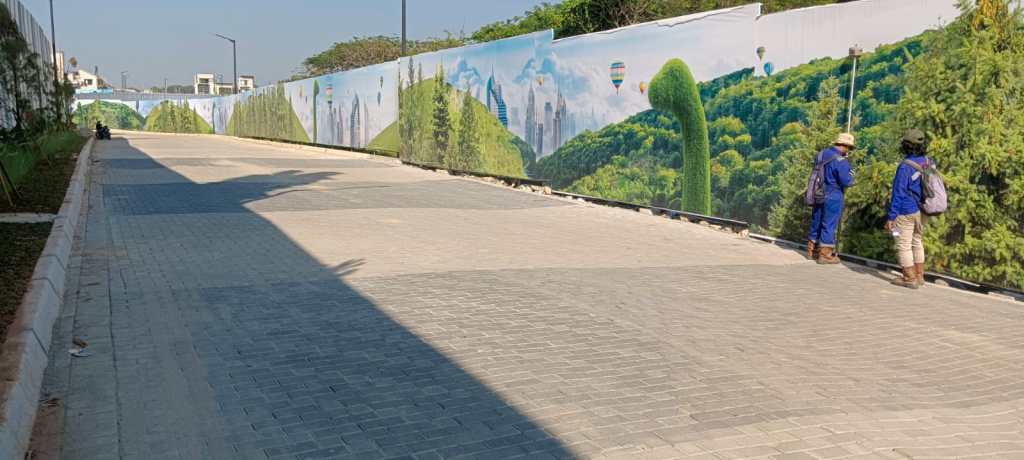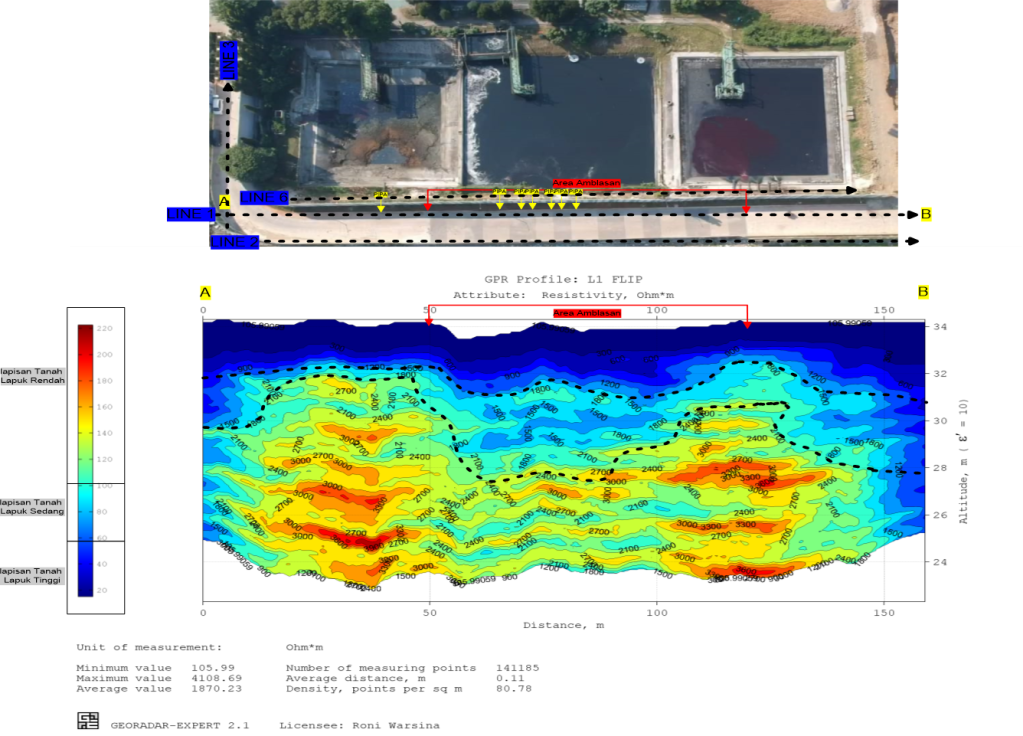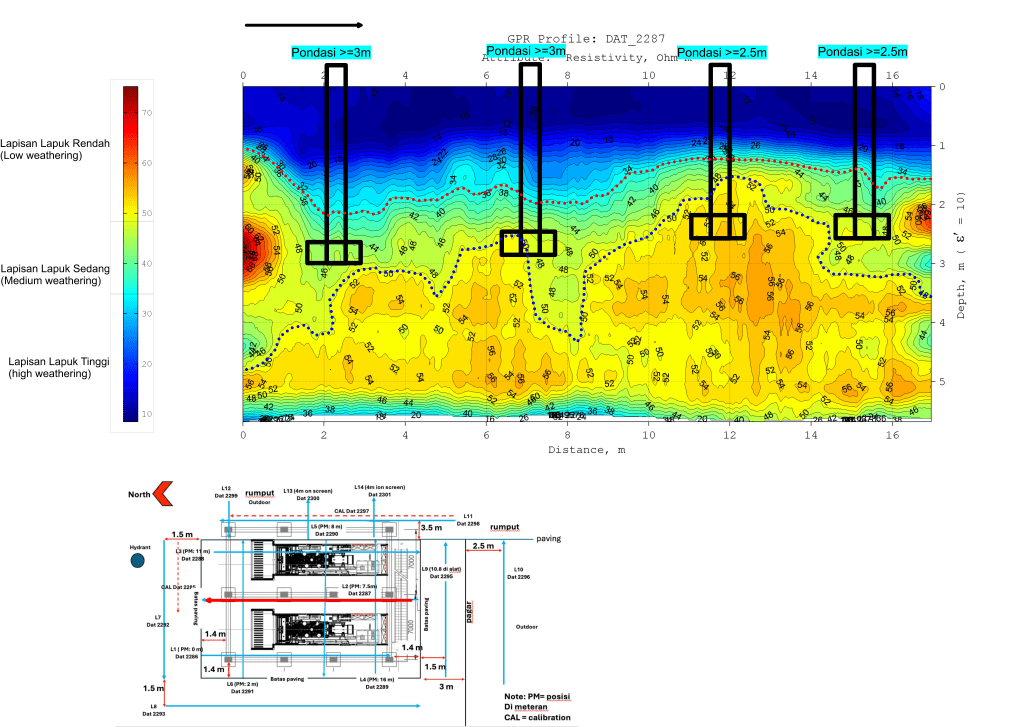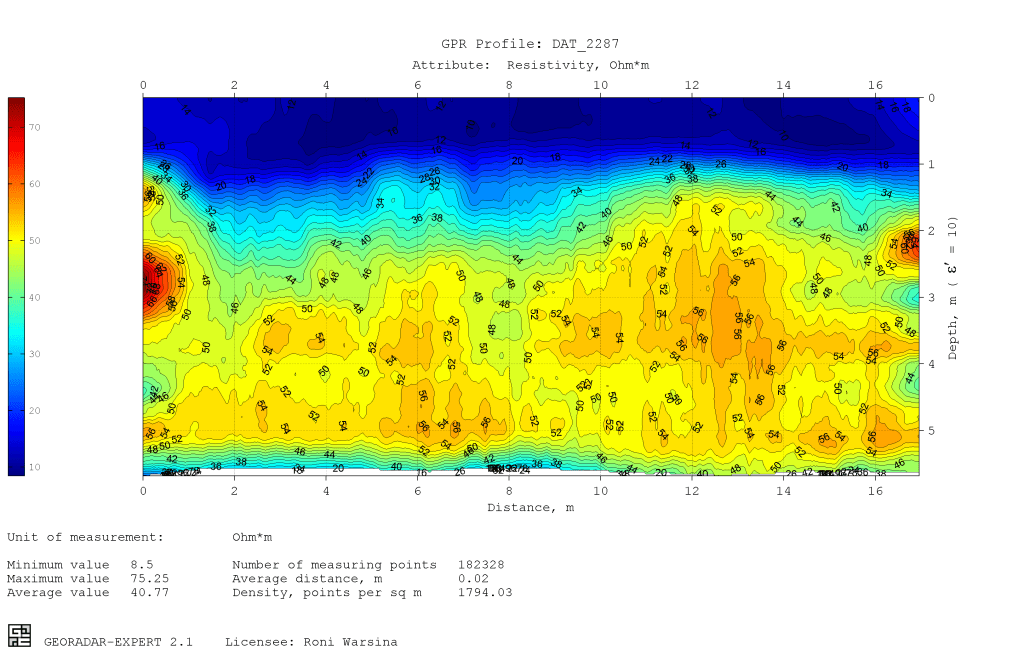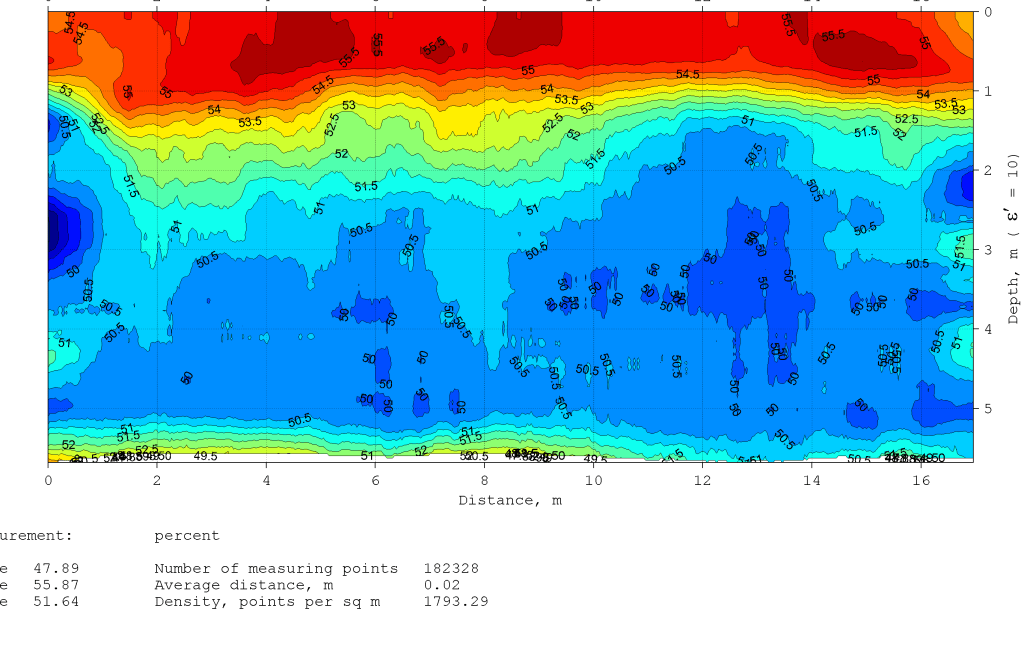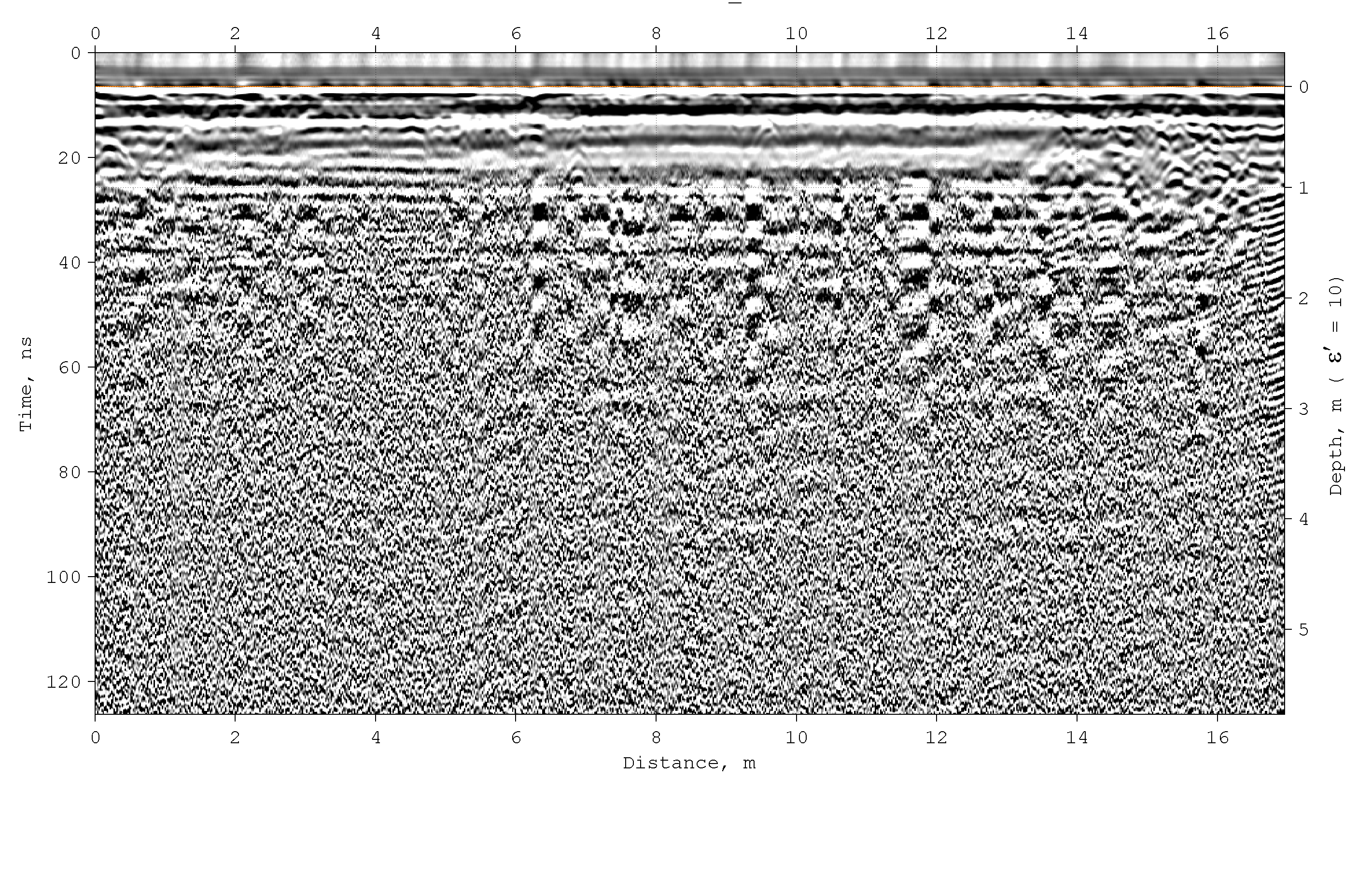
Radargram from UltraGPR Equipment

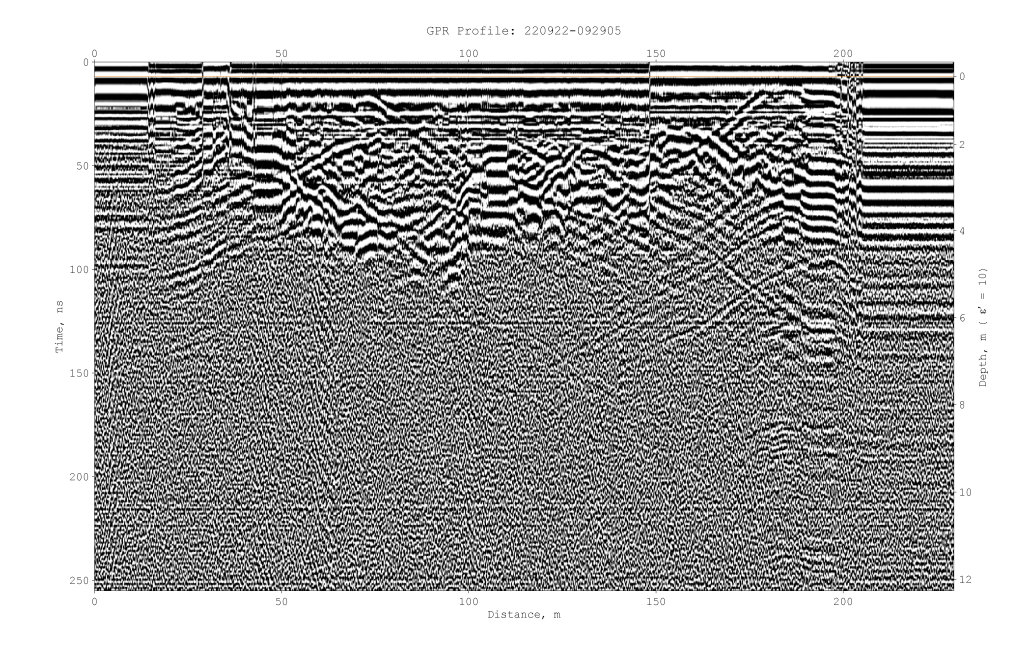
Radargram after Filter

Radargram after using B-Detector

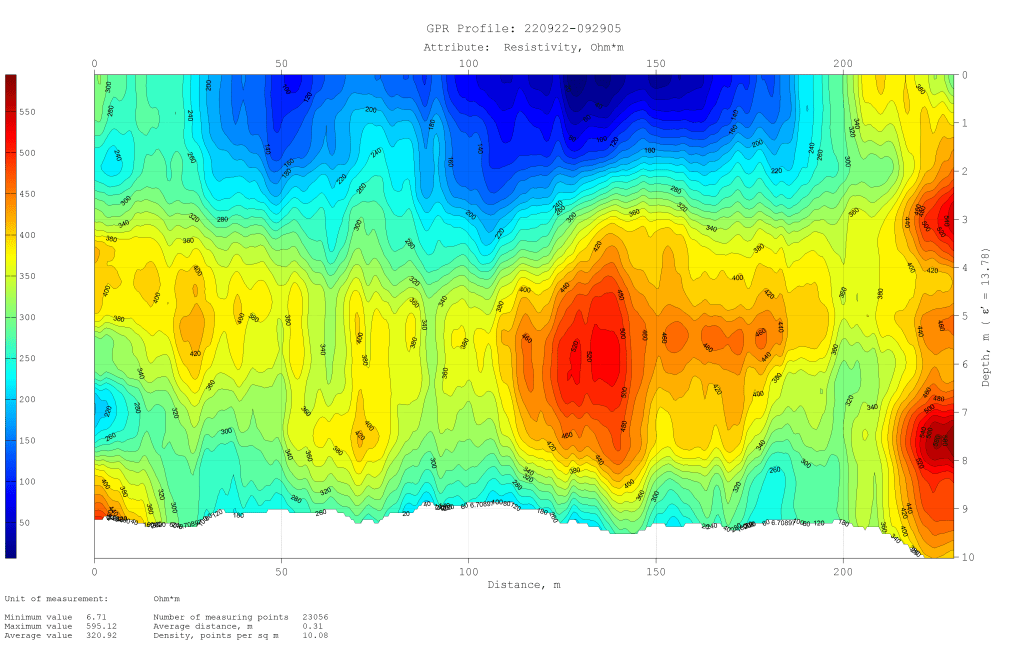
Resistivity Analysis

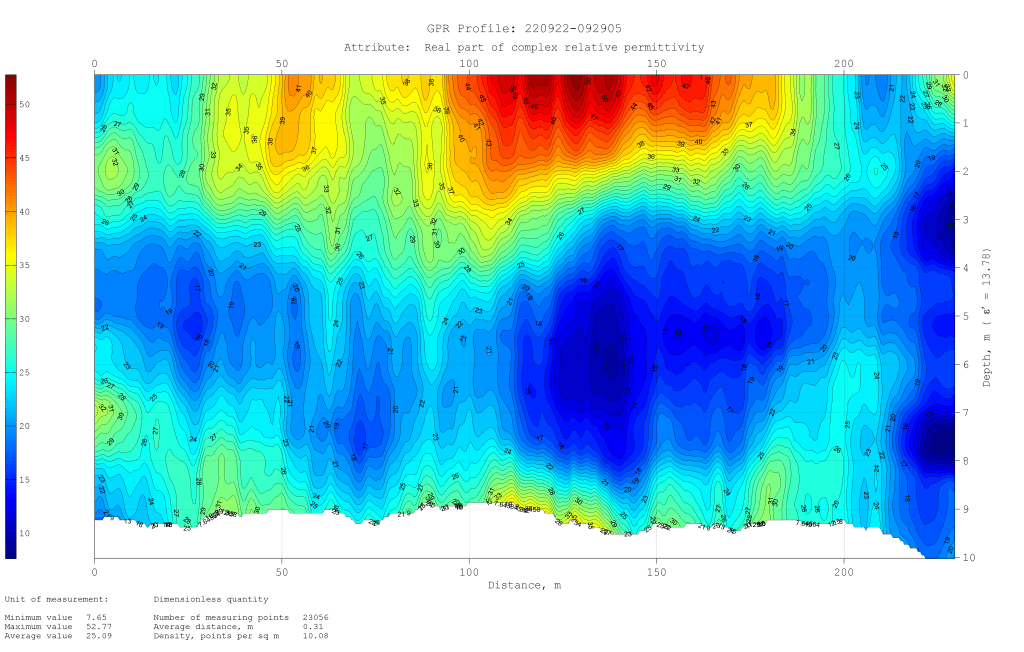
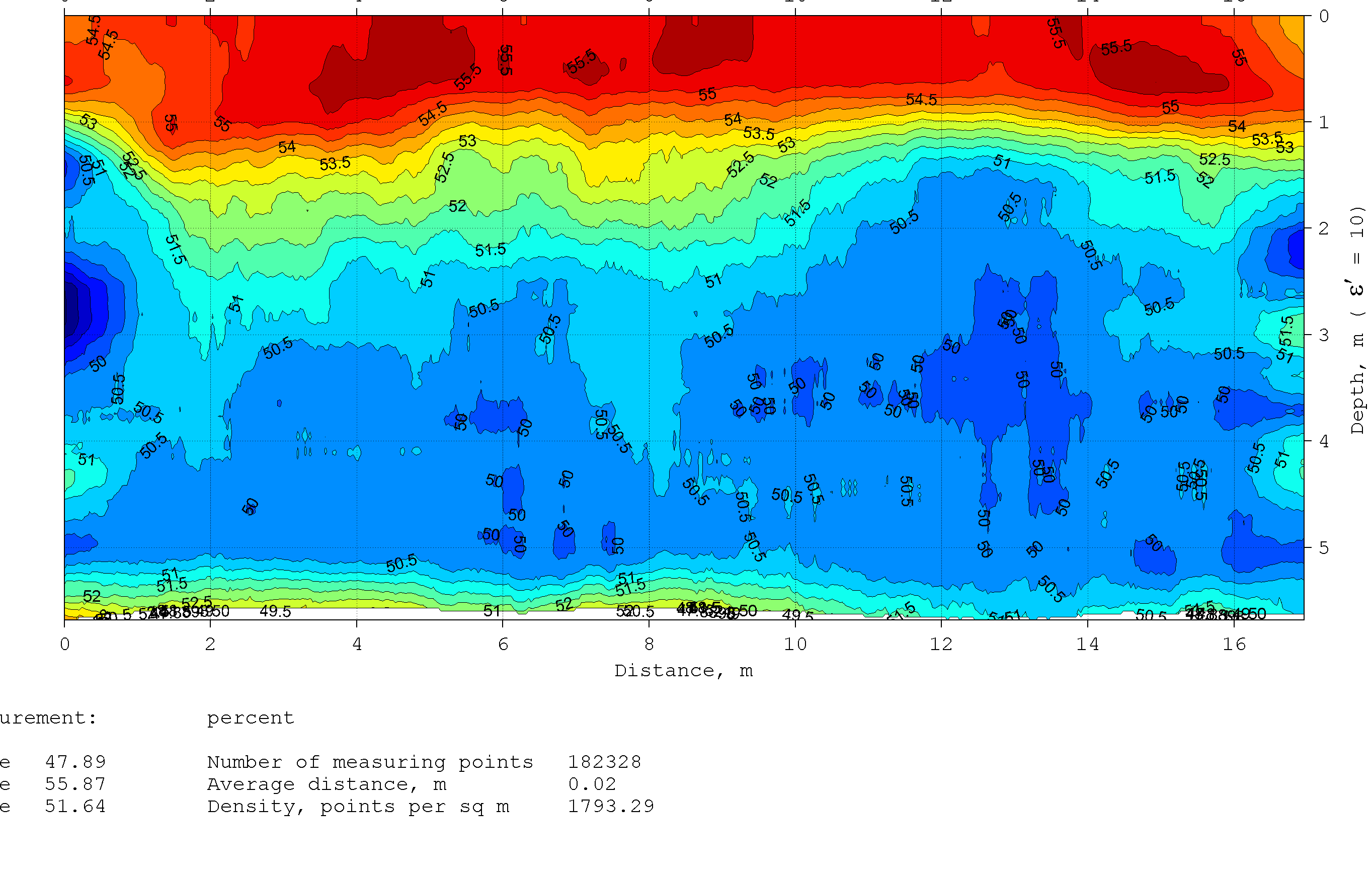
Permittivity Analysis

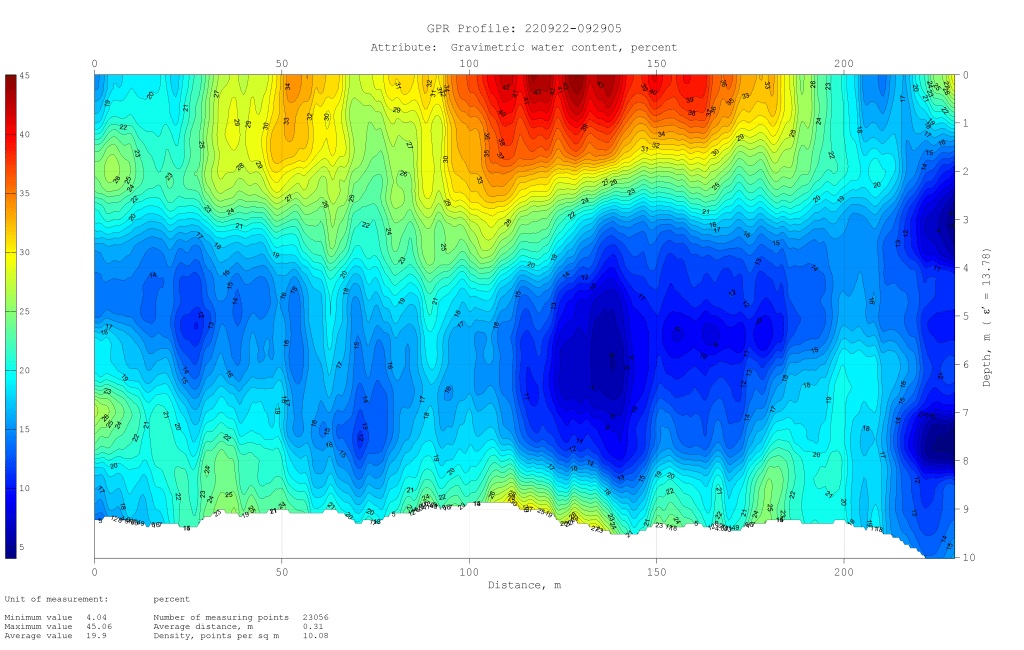
Water Content Analysis
Konsultan Geofisika|Geologi|Geoteknik


The microgravity survey using Scintrex CG-5 and CG-6 involves precise measurements of small variations in the Earth’s gravitational field. These variations can help detect subsurface density anomalies, which are useful in geotechnical, hydrogeological, and exploration applications. Below are key aspects of conducting a microgravity survey with these instruments.
Scintrex CG-5 and CG-6 are high-precision relative gravimeters designed for microgravity surveys. The CG-6 is an updated version of the CG-5, featuring improved electronics, better thermal stability, and enhanced data acquisition capabilities.
| Feature | Scintrex CG-5 | Scintrex CG-6 |
|---|---|---|
| Accuracy | ±1 µGal | ±0.8 µGal |
| Resolution | 0.1 µGal | 0.01 µGal |
| Drift Rate | <10 µGal/day | <5 µGal/day |
| Display | LCD Screen | Touchscreen |
| Data Storage | Internal + External | Larger internal storage |
| Battery Life | ~24 hours | ~30 hours |
Apply standard gravity corrections:


The resistivity method is an effective geophysical technique for detecting subsurface cavities. The SuperSting R8 is an advanced multi-channel resistivity imaging system used to map electrical resistivity variations in the subsurface, which helps identify voids, sinkholes, or other anomalies.
Cavities, voids, and air-filled spaces exhibit high resistivity because air (or dry voids) is a poor conductor of electricity. Conversely, water-filled cavities can have either moderate or low resistivity, depending on the water’s salinity.
| Material | Resistivity Range (Ωm) |
|---|---|
| Air-filled cavity | Very high (>1000 Ωm) |
| Water-filled cavity | Moderate (10–100 Ωm) |
| Clayey soil | Low (1–50 Ωm) |
| Sandy soil | Moderate (50–500 Ωm) |
| Limestone (intact) | Moderate (100–1000 Ωm) |
Survey Setup:
Results:
✔ Multi-channel system → Faster data acquisition.
✔ High-resolution imaging → Clearer subsurface details.
✔ Compatible with 2D and 3D surveys → Better spatial coverage.
✔ Supports multiple array types → More flexibility for different site conditions.


Limestone formations are highly susceptible to karstification, leading to the formation of voids, sinkholes, and cavities. The resistivity method is one of the most effective geophysical techniques for detecting these subsurface anomalies.
This guide outlines the best practices for conducting a resistivity survey for cavity detection in limestone using SuperSting R8.
Cavities have distinct electrical properties compared to the surrounding limestone.
| Array Type | Advantages | Recommended Use |
|---|---|---|
| Dipole-Dipole | High lateral resolution, good for detecting cavities | Best for mapping horizontal and vertical voids |
| Wenner-Schlumberger | Balanced depth and lateral resolution | Useful when both depth and shape of voids are unknown |
| Gradient | Rapid data collection, good for large areas | Suitable for large-scale reconnaissance surveys |
| Pole-Dipole | Good depth penetration | Used when deep cavities are suspected |
Use software like EarthImager 2D/3D or Res2DInv to generate a resistivity model.
✔ Use Dipole-Dipole for high-resolution cavity mapping.
✔ Combine resistivity with borehole/GPR data for verification.
✔ Perform repeat surveys if seasonal groundwater changes are expected.


Geolistrik adalah metode yang sangat efektif untuk eksplorasi air tanah dan akuifer, terutama di daerah perkebunan sawit yang didominasi oleh sedimen pasir. Metode ini membantu mengidentifikasi kedalaman, ketebalan, dan kualitas air tanah, serta membedakan lapisan yang mengandung air dari yang tidak.
Air tanah mempengaruhi nilai resistivitas listrik. Umumnya:
Di kebun sawit yang dominan sedimen pasir, akuifer sering berada di lapisan pasir jenuh air dengan resistivitas rendah hingga sedang.
Untuk eksplorasi air tanah di perkebunan sawit, metode Vertical Electrical Sounding (VES) atau 2D Resistivity Imaging sangat direkomendasikan.
| Konfigurasi | Kelebihan | Kekurangan |
|---|---|---|
| Schlumberger | Baik untuk eksplorasi air tanah yang dalam | Waktu pengukuran lebih lama |
| Wenner-Schlumberger | Kombinasi kedalaman dan resolusi lateral yang baik | Butuh banyak titik pengukuran |
| Dipole-Dipole | Resolusi lateral tinggi, cocok untuk akuifer dangkal | Kedalaman terbatas |
✔ Gunakan metode Schlumberger atau Wenner-Schlumberger untuk eksplorasi air tanah di sedimen pasir.
✔ Lapisan pasir jenuh air (5–50 Ωm) menunjukkan zona akuifer potensial.
✔ Hindari lapisan lempung sebagai sumber air karena permeabilitasnya rendah.
✔ Gunakan sumur uji untuk verifikasi hasil geolistrik sebelum pengeboran sumur produksi.